
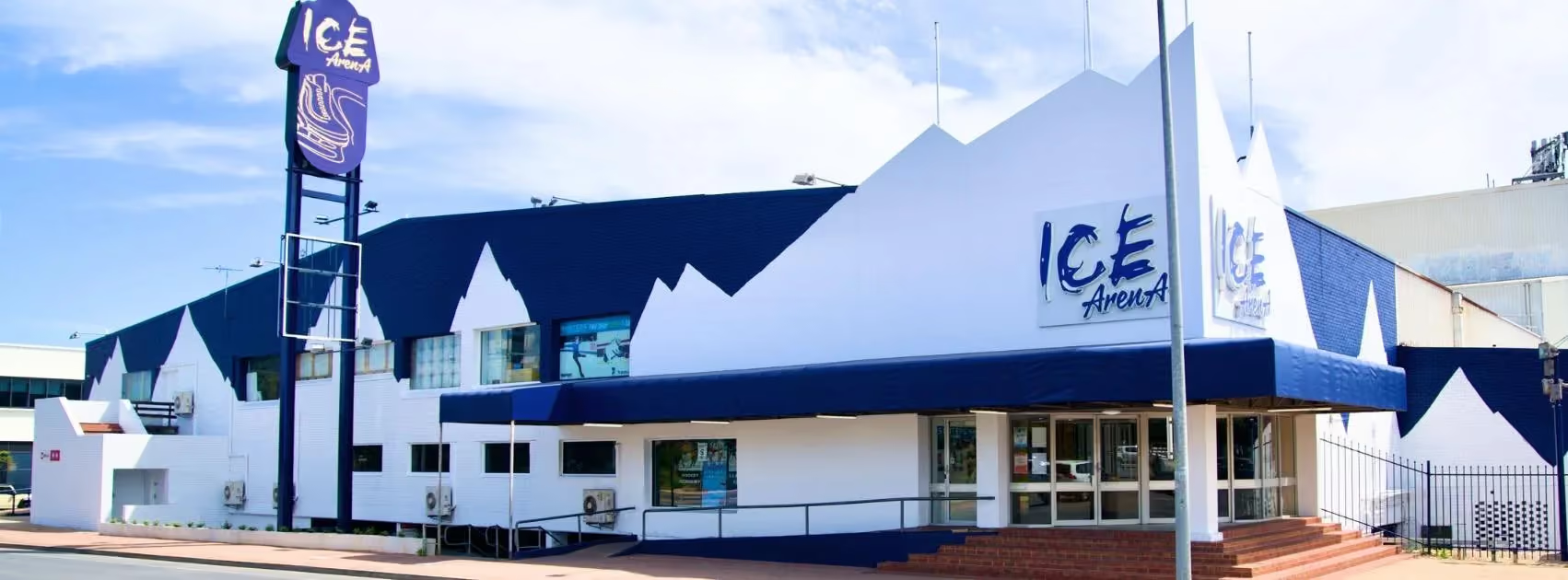
Turning Ice Arena Adelaide Into a Destination
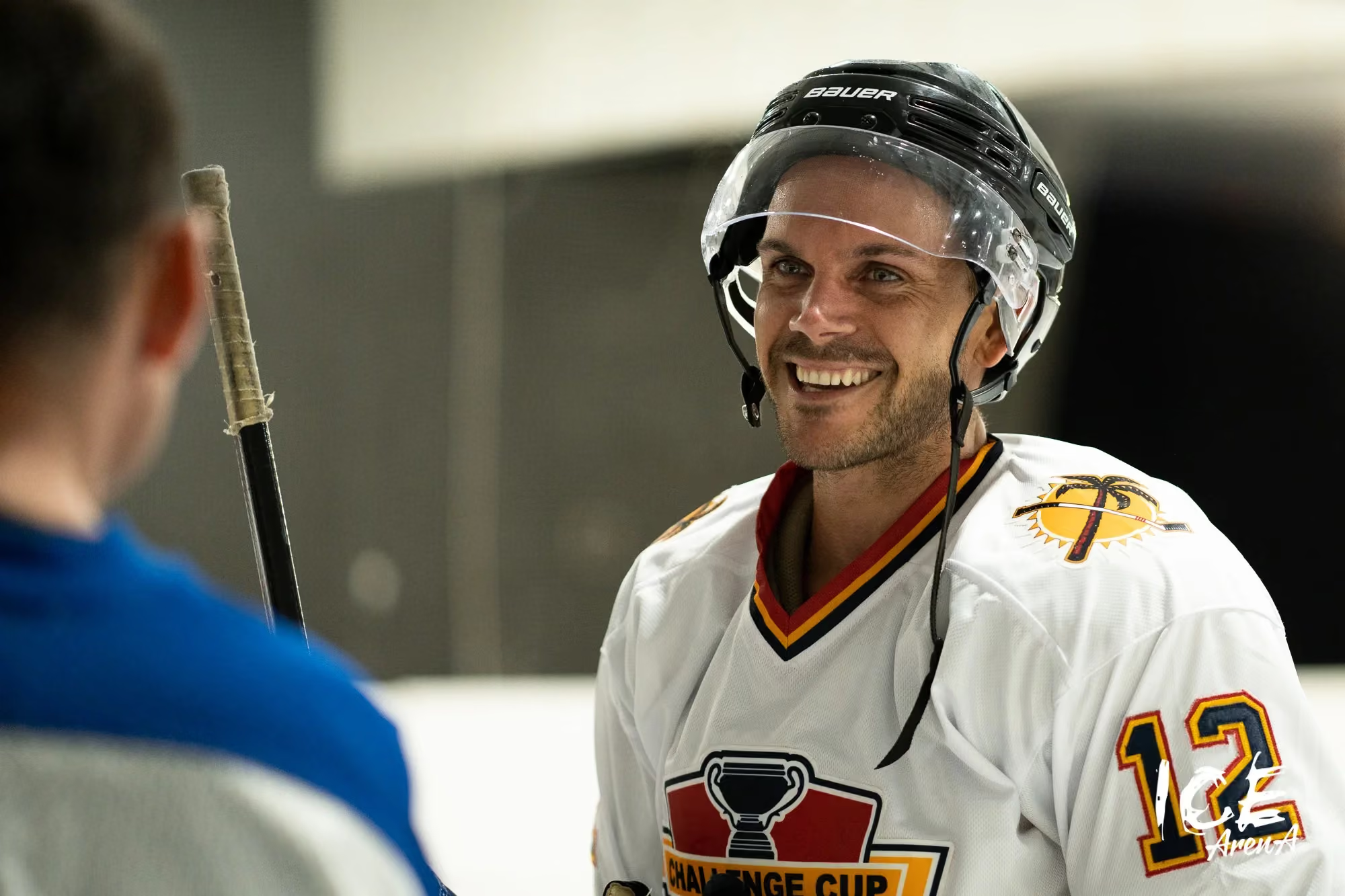
The Results
The strategy helped Ice Arena Adelaide turn cultural investment into commercial growth.
- Stronger attendance around public skating sessions
- More people coming to the venue for experiences, not just sport
- Theme nights with costumes, music, and a stronger social pull
- Live music on the ice creating a reason for both skaters and spectators to attend
- Family-focused spaces that helped increase birthday parties and group visits
- Stronger event presentation across figure skating and hockey
- A clearer growth loop between flagship events and everyday venue revenue
Lift in public skating attendance
Per-quarter revenue at peak (up from ~$280k/year)
The Arena Had Been Improved, But Needed Demand
Ice Arena Adelaide had moved beyond the first stage of fixing the building.
The venue had stronger facilities and more capacity, but it still needed to turn that physical improvement into regular attendance.
Before the growth phase, the venue was mostly used by people already connected to ice sports.
Figure skaters came in. Hockey players came in. But public skating had very little traffic.
That mattered because public skating was one of the strongest commercial opportunities in the venue.
A figure skating session might have 10 people on the ice. A hockey session might have 40 to 50. A strong public skating session could have around 150 people on the ice.
The venue needed to build more demand around the sessions that could sustain the business.

The Venue Needed Experiences People Would Talk About
The commercial opportunity was not just about improving the building.
It was improving the reasons people came to the building.
If the arena only felt like a functional ice sports facility, it would stay dependent on existing user groups.
To grow, it needed to become more social, more visible, and more memorable.
That meant creating moments people would invite friends to: theme nights, live music, public skating events, family-friendly spaces, birthday party opportunities, high-energy hockey, and better figure skating presentation.
The venue needed to give people a reason to come, even if they were not already part of ice sports.

The Problem Was Emotional Buy-In, Not Awareness
The issue was not simply that people did not know the arena existed.
The issue was that they did not yet have enough emotional reason to go.
People needed to feel that something was happening there.
They needed to see the arena as active, fun, social, and worth making plans around.
That required a different kind of growth thinking.
The venue could not rely only on advertising public sessions. It needed to create experiences that made public skating feel like part of Adelaide's social and community life.


We Built Growth Around What People Loved
We focused on the parts of the venue that created real interest.
The goal was to create a growth loop.
Flagship events would create excitement. Excitement would drive attention. Attention would bring people into the venue.
Those people would discover public skating, parties, events, and programs. That increased commercial performance. Then the venue could reinvest in more of the moments people cared about.
This was not growth through random activity. It was growth through deliberate investment in culture.
How We Created the Growth Loop
We treated content and event presentation as crucial investments that drove the venue's cultural and commercial momentum.

Public Skating Became the Commercial Engine
We recognised that public skating had major commercial potential.
It could bring more people onto the ice per hour than many specialist sport sessions.
That meant the venue needed to treat public skating as a core growth driver, not a secondary offer.
The work focused on making public sessions more attractive, more social, and more visible to the wider community.

Theme Nights Gave People a Reason to Come
We developed themed skating nights that gave people a stronger reason to attend.
When people dressed up, brought friends, and treated the session as an event, the arena became more than a place to skate.
It became a social experience.
That helped create word of mouth.

Live Music Made the Venue Feel Alive
Live music on the ice added a new layer to the venue experience.
People could skate, watch, sit in the stands, listen to music, and feel part of something happening inside the building.
This helped the arena feel more like a destination and less like a basic facility.

Family Spaces Created More Reasons to Visit
We developed the kids' play area so families had more reason to come and stay.
That helped parents feel more comfortable bringing children to the venue.
It also created a natural path into birthday parties and group bookings.
The family experience became part of the venue's commercial growth.

Flagship Events Built Cultural Momentum
We invested in bigger events that could lift the perception of the whole arena.
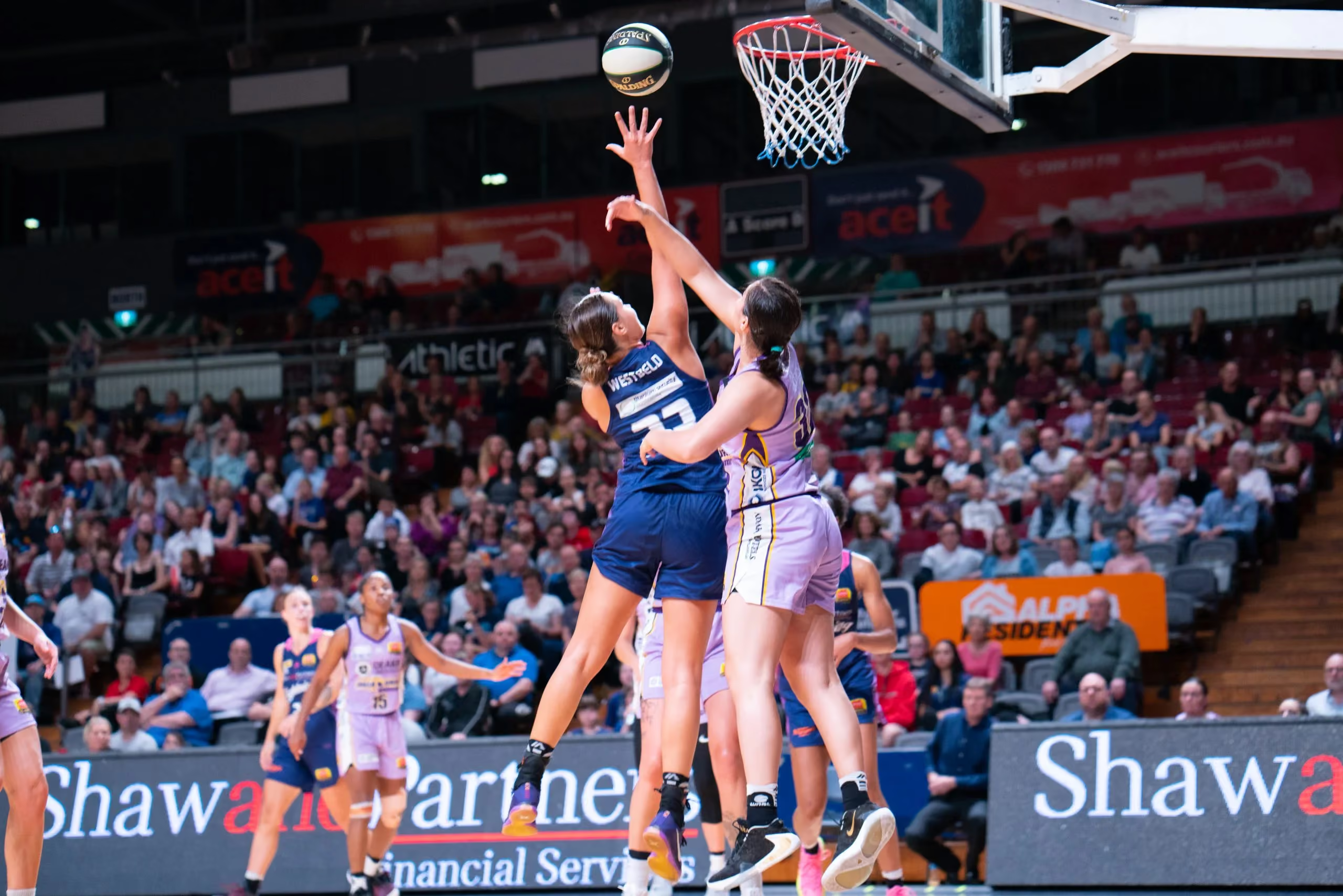
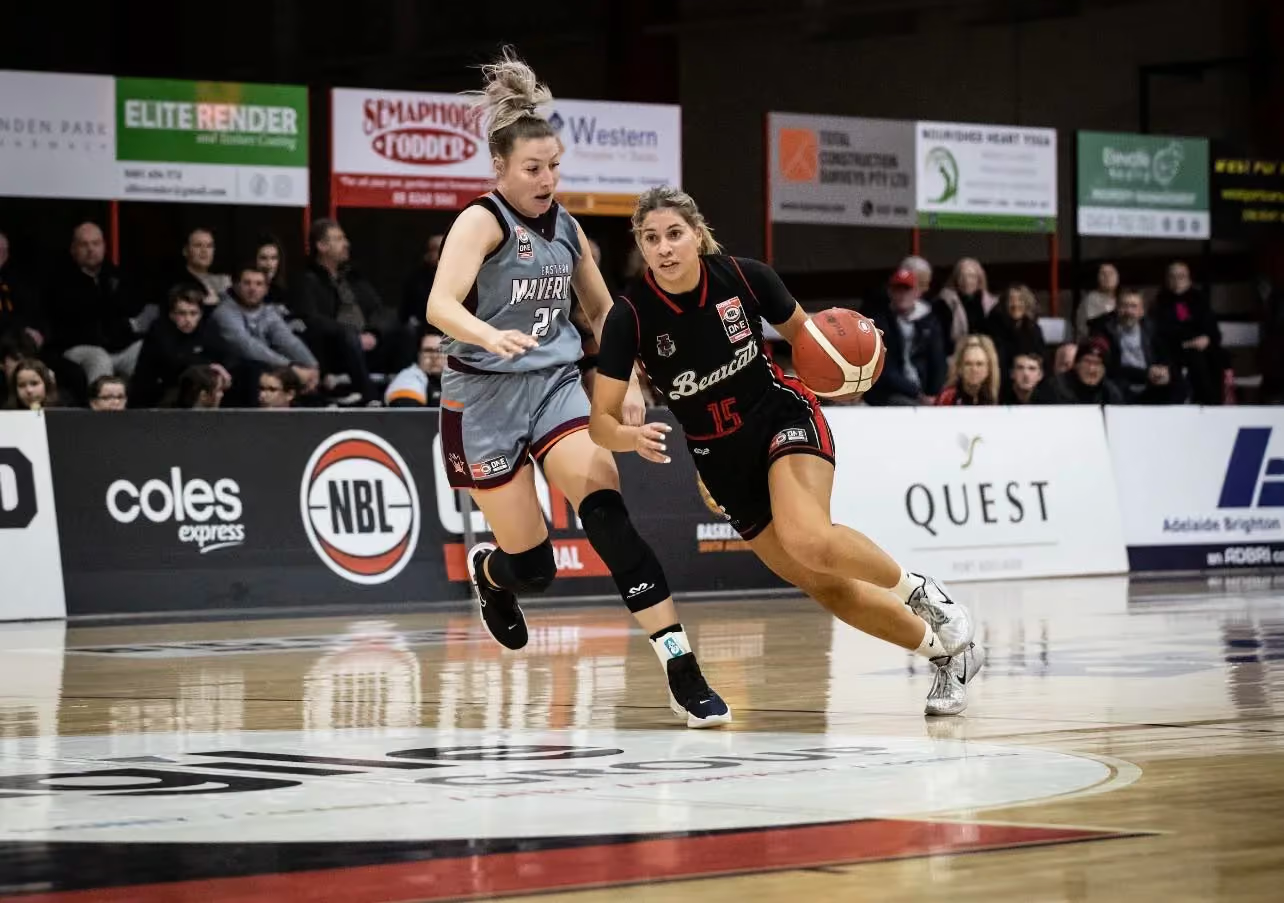
Figure skating events, hockey fixtures, and the National Hockey Super League helped create moments with higher energy and stronger public interest.
These flagship events made the venue feel more important, more active, and more worth following.

Broadcast and Ongoing Reinvestment
We created broadcast products for key events. Broadcast helped the venue feel more professional and allowed people outside the building to experience what was happening inside it. It also gave events more value for athletes, teams, families, sponsors, and the wider community.
The growth strategy was not based on one-off novelty. It was about reinvesting in the events and experiences that mattered most. When people responded to something, the venue could build on it. That helped create longer-term behaviour change rather than temporary spikes.
A Venue People Wanted to Return To
The work helped Ice Arena Adelaide become more than a functional venue.
It became a place people could attend for sport, entertainment, family time, community events, live music, and social experiences.
Public skating grew. Flagship events became stronger. The venue built more social pull.
More people came through the doors, and more of them had reasons to return.
That is what made the growth more sustainable.
Why the Strategy Worked
The strategy worked because it focused on the real driver of venue growth.
Facilities matter, but experiences create repeat behaviour.
By investing in public skating, theme nights, family spaces, live music, figure skating, hockey, broadcast, and flagship events, Ice Arena Adelaide created more reasons for people to engage with the venue.
The commercial growth followed the emotional buy-in.
The Simple Difference
Before the work, Ice Arena Adelaide was mostly used by people already connected to ice sports.
After the work, the arena became a destination with broader public appeal.
It gave people a reason to come, a reason to stay, a reason to share, and a reason to come back.
That is what helped turn cultural investment into commercial performance.
In One Line
We helped Ice Arena Adelaide grow by investing in the events, public skating experiences, broadcast, and family moments that turned the venue from a facility into a destination.

SEE OTHER RESULTS
Explore how owner-led businesses turned growth bottlenecks into clearer systems, better-fit leads, less workload, and measurable commercial progress.








WHAT CLIENTS SAY
Real results from real businesses
“When we set out to grow Discmania in the US market, Ryan was a key part of laying that foundation. He helped us cut through the noise & restructured how we told the story of each release, aligning our athlete partnerships with the brand, and building the kind of community touchpoints that turned buyers into fans. The results spoke for themselves. I’d work with him again without hesitation.”


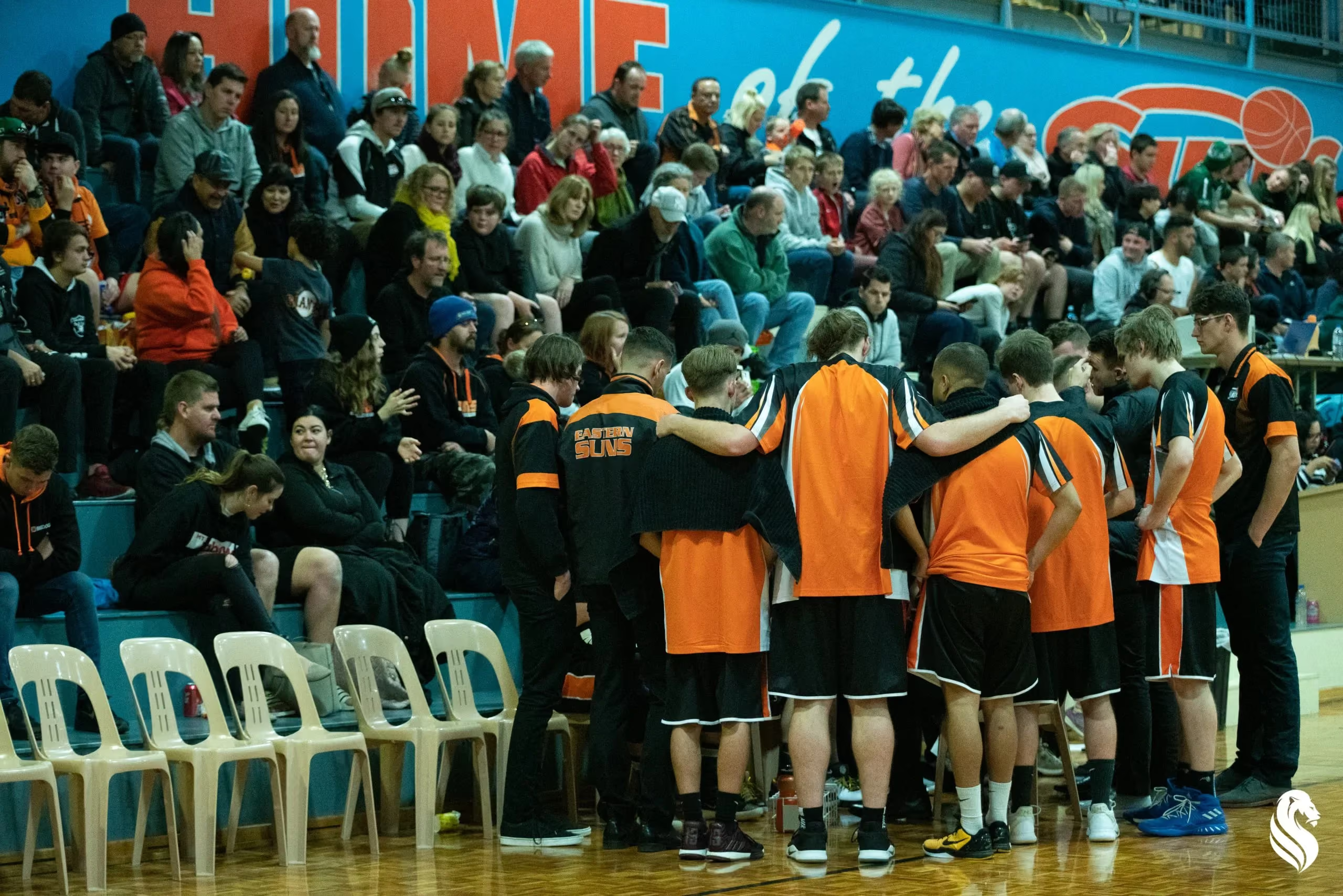
“In 2019, Ryan from Wandering Lion helped transform the Kalamunda Eastern Suns’ presence in the community. He lifted our social profile, drove some of the strongest brand engagement in the league, and helped turn sparse crowds into sellouts. His work also strengthened sponsor interest and raised the overall profile of the club in a way that felt polished, professional, and genuine.”
“Young people who had switched off from school were not going to reconnect because of a campaign headline or a polished message. They needed a genuine reason to turn up again. Wandering Lion brought a strong sense of care to how the story was told. That gave the foundation a clearer public identity.”




“Working with Wandering Lion on the Discmania project was a standout experience. The team’s position work, blended creative vision with strategic execution, was a major asset as we built the Discmania brand globally. The work he produced didn’t just look great. It elevated our brand presence and supported measurable growth across multiple markets.”



“Wandering Lion understood from the outset that the Pacific Hockey League could not simply be another competition with a new name. Their work helped shape a player-first league with the right balance of ambition, fairness, and professionalism. What they brought was not just branding or communication, but real strategic thinking that gave the PHL a stronger and more credible foundation.”

“Authenticity is the centrepiece of all Lajosi Putter customisation works. The brand is reflected in each of our hand-made custom putters. Ryan’s team solidified that identity in our online presence. It led to higher social media engagement from a golfing community who value hand-crafted putters over overly polished ones.”
‹
›
READY TO SCALE?
We've helped businesses like yours grow revenue and reduce workload
