
Building a Brand Players Wanted to Be Part Of

The Results
The work helped Discmania move from a respected disc golf brand to a major cultural force in the sport.
- Stronger athlete-led product stories
- A clearer product ecosystem
- More meaningful limited releases and collector demand
- A stronger connection between product, community, retail, and competition
This was not just product development. It was brand-building through the culture of the sport.
position in the overall market category
Disc variations developed to define clearer roles and reduce overlap
USD raised to help bring the Disc Golf World Tour to life
Discmania Already Had Respect
Discmania already had a foundation in the disc golf market.
The brand was known by players and had credibility as a disc manufacturer. It was operating in a competitive category where players are loyal, informed, and highly connected to the discs they trust.
That meant growth could not be forced.
Disc golf customers notice when a release feels shallow, when a partnership feels manufactured, or when a brand is trying to sell into the sport without properly belonging to it.
Discmania had the potential to become bigger. But it needed to grow in a way that felt earned.

The Brand Needed More Than More Releases
The challenge was not simply to launch more discs.
More products can create noise if players do not understand the purpose of each release.
Discmania needed clearer product roles, stronger athlete alignment, better retail touchpoints, and storytelling that made each release feel meaningful.
The brand also had to protect trust with core players, collectors, retailers, and the wider sport.
Growth needed to feel like a deeper contribution to disc golf, not a louder sales push.

The Problem Was Meaning, Not Volume
Discmania did not have a basic marketing problem.
The real issue was making the product ecosystem easier to understand and more culturally valuable.
The brand needed to answer important player questions:
- What is this disc for?
- How does it fit into my bag?
- Why does this release matter?
- Which athlete is connected to it?
- Will older versions still hold meaning?
- Is this brand really part of the sport?
The opportunity was to make every product, athlete partnership, and release feel connected to a bigger brand story.


We Built the Brand Through Product Culture
We worked across brand strategy, product development, athlete partnerships, retail, tours, and community.
The goal was to help Discmania show up as an active participant in disc golf, not just a company selling discs to players.
That meant building product lines with intention, protecting the value of older runs, creating limited-release moments, and working with top athletes in ways that felt genuine.
The strategy was simple: make the product mean more.
How We Helped Build the Culture
We overhauled the product strategy and integrated the brand deeply with the biggest names in the sport, including Eagle McMahon, Simon Lizotte, Paul McBeth, and Nate Sexton.

Clearer Product Strategy
We shifted Discmania away from volume-led releases and toward purpose-driven product lineups.
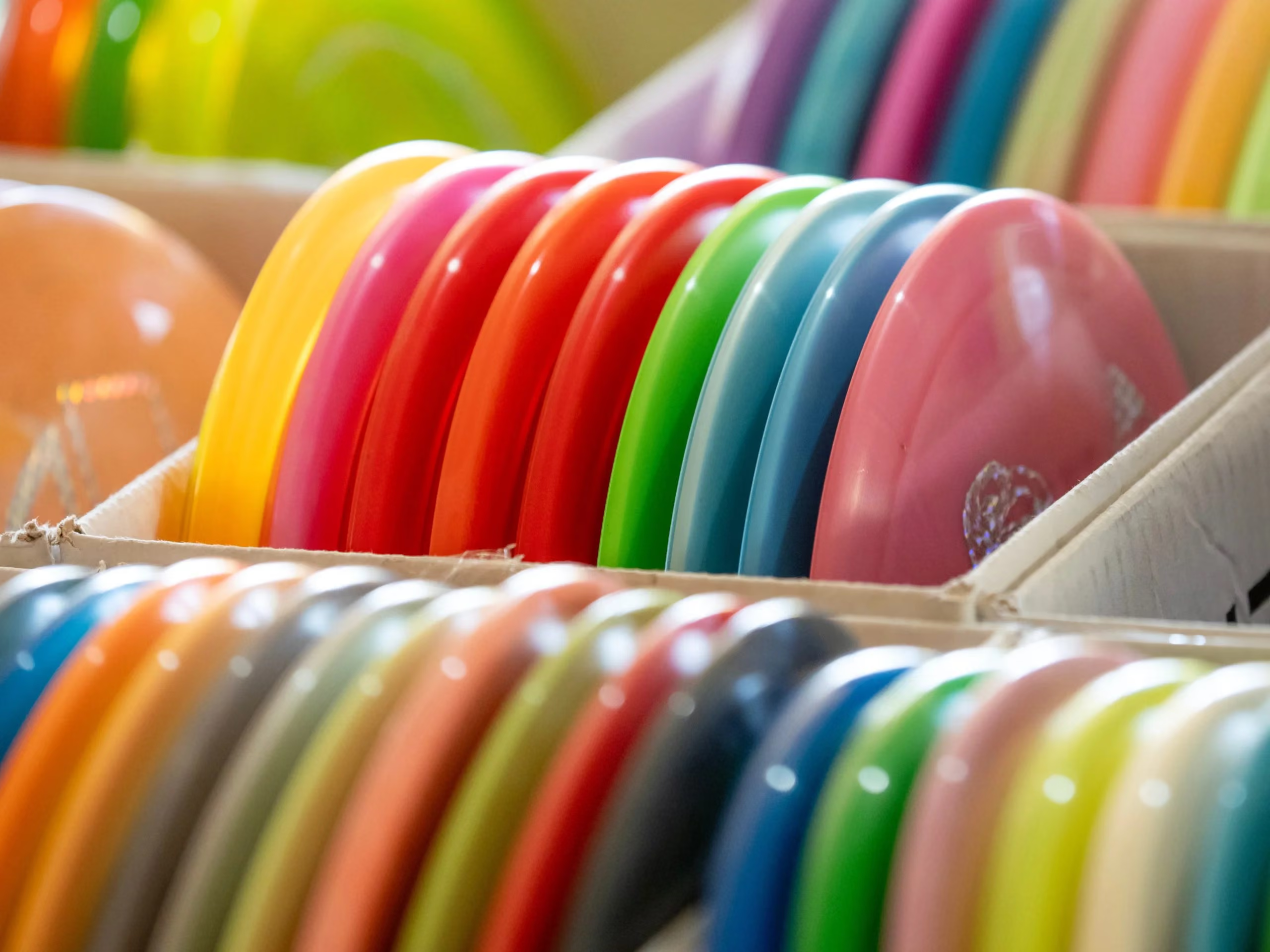
More than 30 disc variations were developed to give discs clearer roles and reduce overlap.
This helped players understand how each product fits into their game and gave the lineup more structure.

Limited Releases With Real Meaning
We introduced a limited-release development model that respected performance and collector culture.
When discs were redeveloped, original runs were not treated as disposable or erased. Older versions kept their identity, value, and place in the community.
That helped turn product evolution into continuity, not replacement.

Product Innovation Players Could Feel
We introduced product and design concepts that gave releases more identity and excitement.
This included Colour Glow, S-LINE Swirl, Pearl C-LINE, dual-stamped discs, mini-stamped discs, collaboration stamps, Discmania’s first apparel line, and the Mystery Box.
These were not just product drops.
They became moments that players could talk about, collect, throw, and share.

Athlete Partnerships That Felt Earned
We worked closely with major names in the sport, including Simon Lizotte, Eagle McMahon, Nate Sexton, and Paul McBeth.
The goal was not to attach famous names to products for attention.
The goal was to build signature products and partnerships that made sense to players because the athlete connection felt real.
When the athlete, product, and story aligned, the release had more trust.

Deeper Connection to the Sport
Discmania’s growth was also connected to the wider competitive scene.
The work included helping build and deliver the Discmania Combine Tour, partnering with the Disc Golf Pro Tour and Disc Golf World Tour, and leading fundraising initiatives that raised $500,000 USD to help bring the Disc Golf World Tour to life.
This helped position Discmania as a brand investing in the sport, not just selling to it.

Retail as a Community Touchpoint
We helped build the Discmania Store and retail partnerships as community touchpoints, not just sales channels.
That mattered because disc golf retail is part of the culture.
Players do not only buy discs. They search, compare, collect, talk, trade, and build identity around what they carry.
The retail experience needed to support that behaviour.
From Manufacturer to Cultural Reference Point
Discmania evolved from a disc manufacturer into a reference point within the sport.
Products carried more meaning.
Athletes felt aligned.
Fans felt included.
The brand moved with the culture instead of chasing it.
That shift helped Discmania reach the number two position in the overall market category.
Why the Strategy Worked
The strategy worked because it respected how disc golf actually grows.
Players do not build loyalty around hype alone.
They build loyalty around trust, performance, story, identity, and belonging.
By aligning product purpose, athlete credibility, limited-release culture, retail experience, and tour involvement, Discmania created a stronger ecosystem around the brand.
The commercial result came from cultural relevance.
The Simple Difference
Before the work, Discmania was a respected manufacturer with growth potential.
After the work, Discmania had a stronger product culture, clearer lineup strategy, deeper athlete connection, and a community that felt included in the brand’s evolution.
The brand did not just release more products.
It made the products matter.
In One Line
We helped Discmania grow from a respected disc golf manufacturer into a major cultural force by aligning product strategy, athlete partnerships, retail, and community storytelling.


SEE OTHER RESULTS
Explore how owner-led businesses turned growth bottlenecks into clearer systems, better-fit leads, less workload, and measurable commercial progress.









WHAT CLIENTS SAY
Real results from real businesses
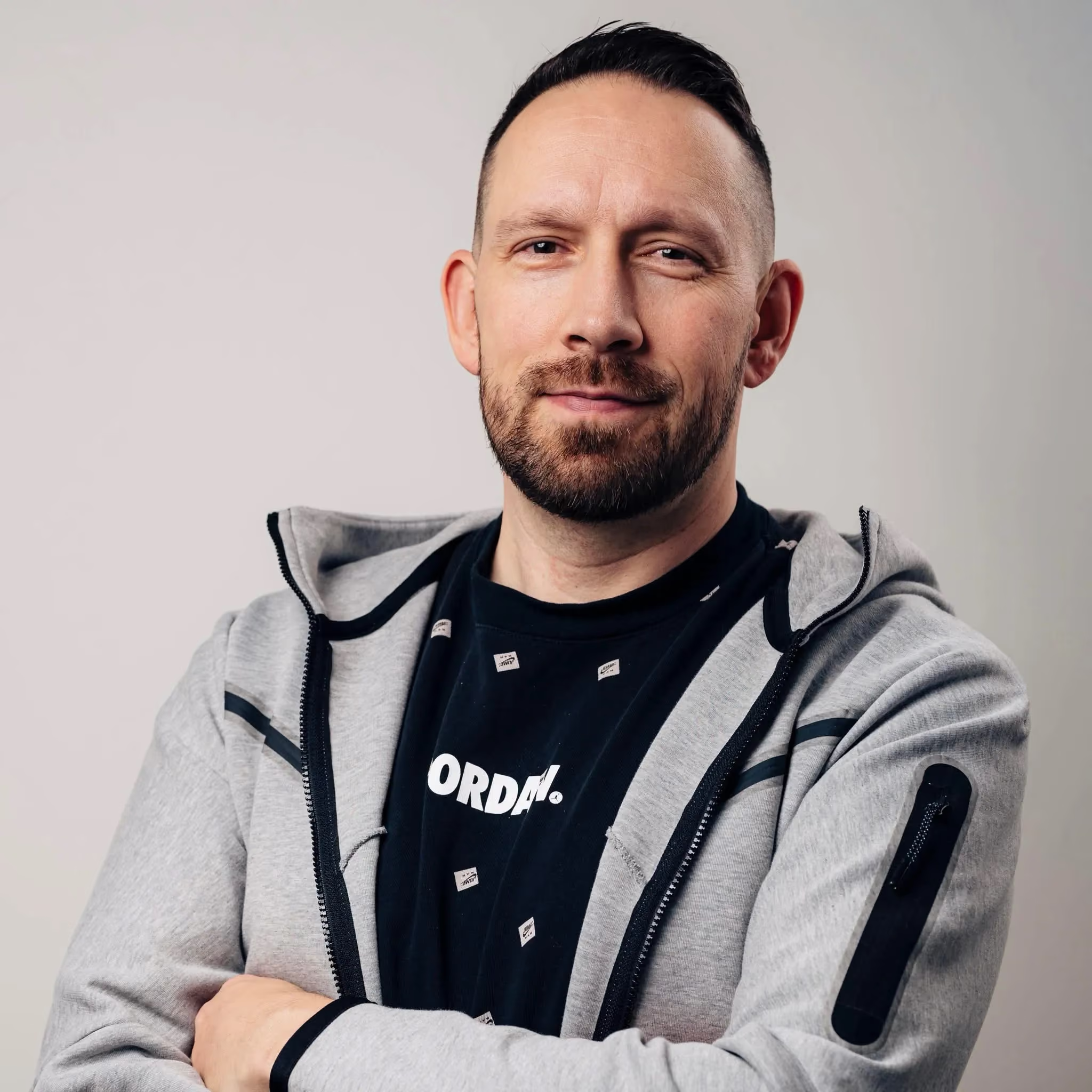
“When we set out to grow Discmania in the US market, Ryan was a key part of laying that foundation. He helped us cut through the noise & restructured how we told the story of each release, aligning our athlete partnerships with the brand, and building the kind of community touchpoints that turned buyers into fans. The results spoke for themselves. I’d work with him again without hesitation.”

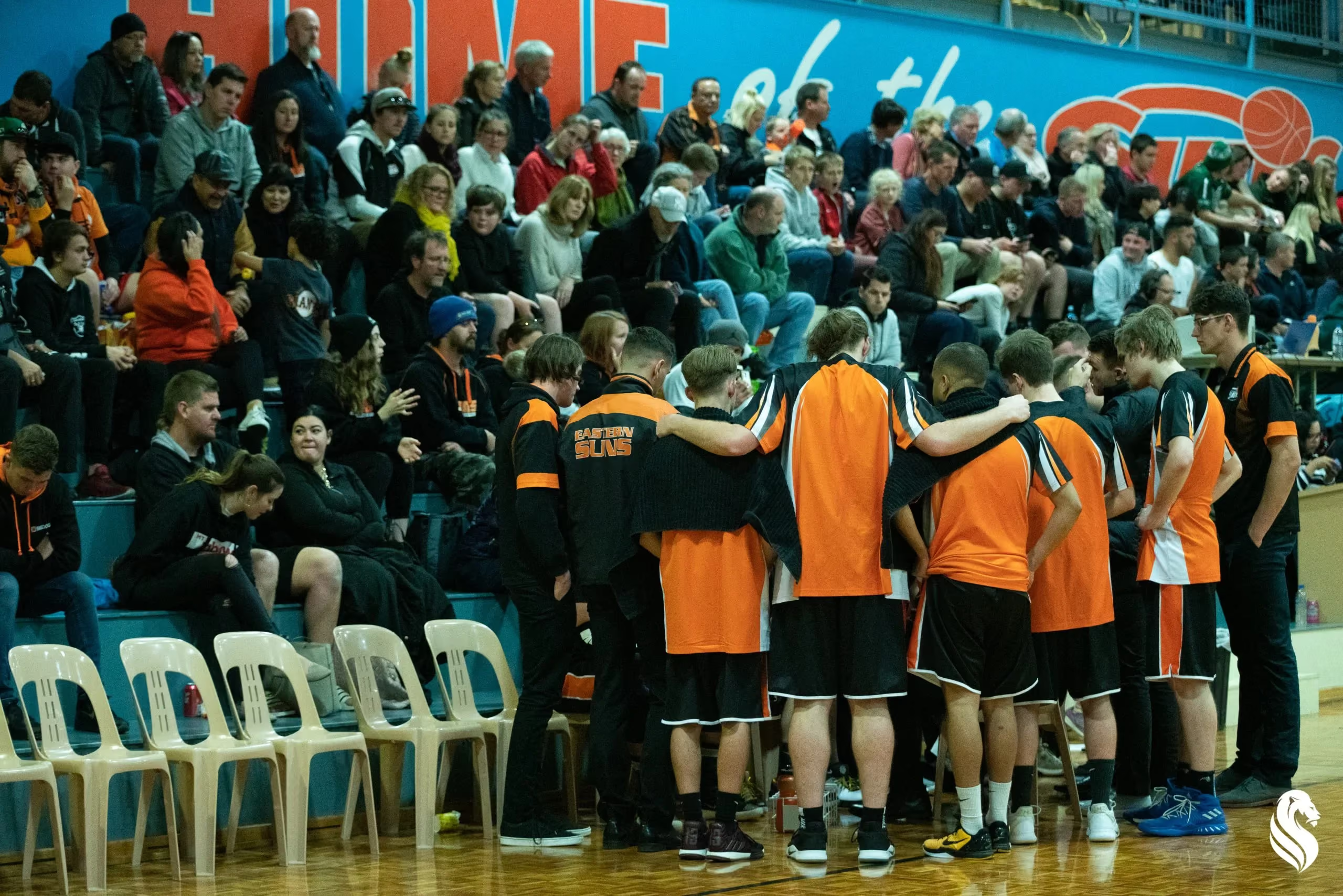
“In 2019, Ryan from Wandering Lion helped transform the Kalamunda Eastern Suns’ presence in the community. He lifted our social profile, drove some of the strongest brand engagement in the league, and helped turn sparse crowds into sellouts. His work also strengthened sponsor interest and raised the overall profile of the club in a way that felt polished, professional, and genuine.”
“Young people who had switched off from school were not going to reconnect because of a campaign headline or a polished message. They needed a genuine reason to turn up again. Wandering Lion brought a strong sense of care to how the story was told. That gave the foundation a clearer public identity.”


“Working with Wandering Lion on the Discmania project was a standout experience. The team’s position work, blended creative vision with strategic execution, was a major asset as we built the Discmania brand globally. The work he produced didn’t just look great. It elevated our brand presence and supported measurable growth across multiple markets.”



“Wandering Lion understood from the outset that the Pacific Hockey League could not simply be another competition with a new name. Their work helped shape a player-first league with the right balance of ambition, fairness, and professionalism. What they brought was not just branding or communication, but real strategic thinking that gave the PHL a stronger and more credible foundation.”

“Authenticity is the centrepiece of all Lajosi Putter customisation works. The brand is reflected in each of our hand-made custom putters. Ryan’s team solidified that identity in our online presence. It led to higher social media engagement from a golfing community who value hand-crafted putters over overly polished ones.”
‹
›
READY TO SCALE?
We've helped businesses like yours grow revenue and reduce workload
